Temples and Forts of India
A collection of Indian architectural wonders spanning forts, stepwells, and monuments — from the Taj Mahal and Khajuraho Monuments to Hawa Mahal.
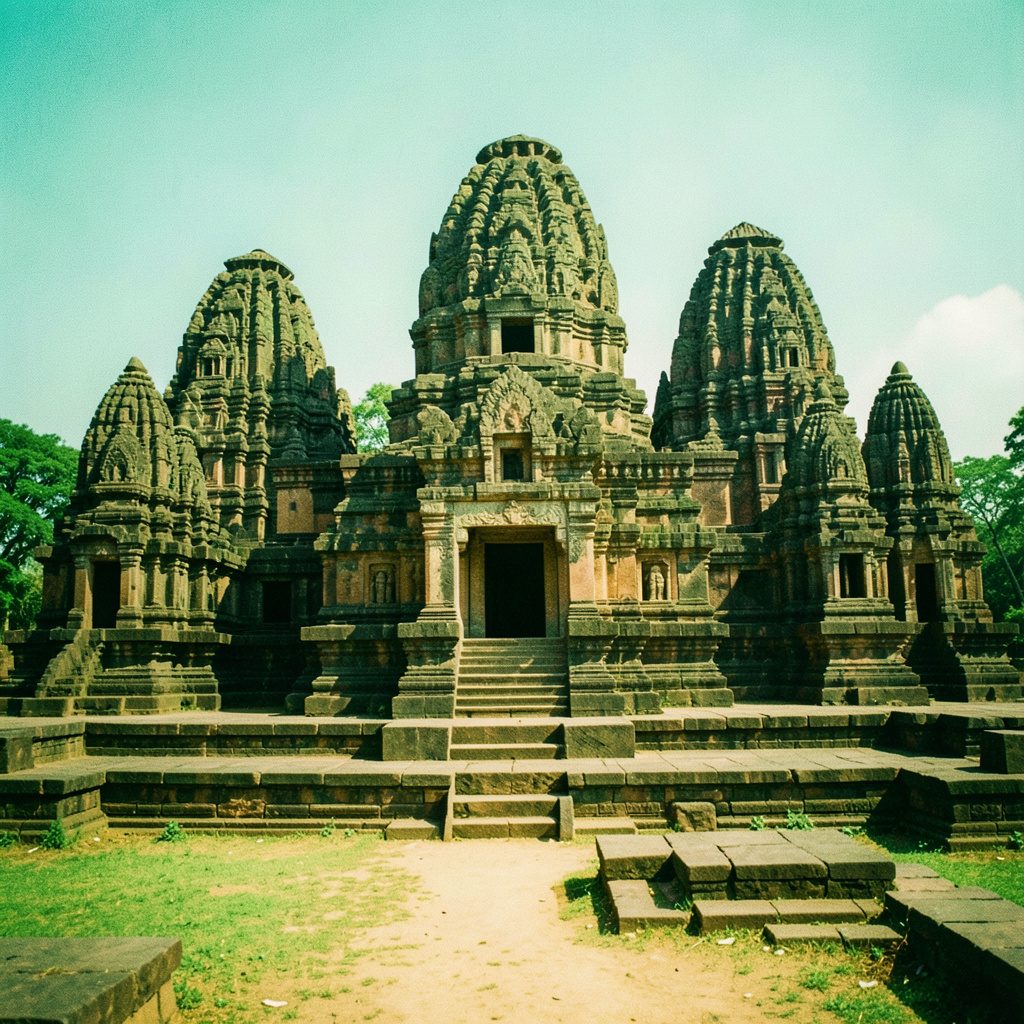
Forts & Palaces
Massive hilltop citadels and royal residences that shaped India's architectural heritage.
Amer Fort
A sprawling sandstone and marble fort-palace perched on a hill in Rajasthan, known for its ornate gates and mirrored halls.
Bhangarh Fort
A 17th-century fort complex in Rajasthan, surrounded by the Aravalli hills and steeped in local folklore.
Orchha Fort Complex
A medieval fort-palace ensemble in Madhya Pradesh, featuring palaces and temples along the Betwa River.
Ranthambore Fort
A formidable hill fort within Ranthambore National Park, dating back to the 10th century.
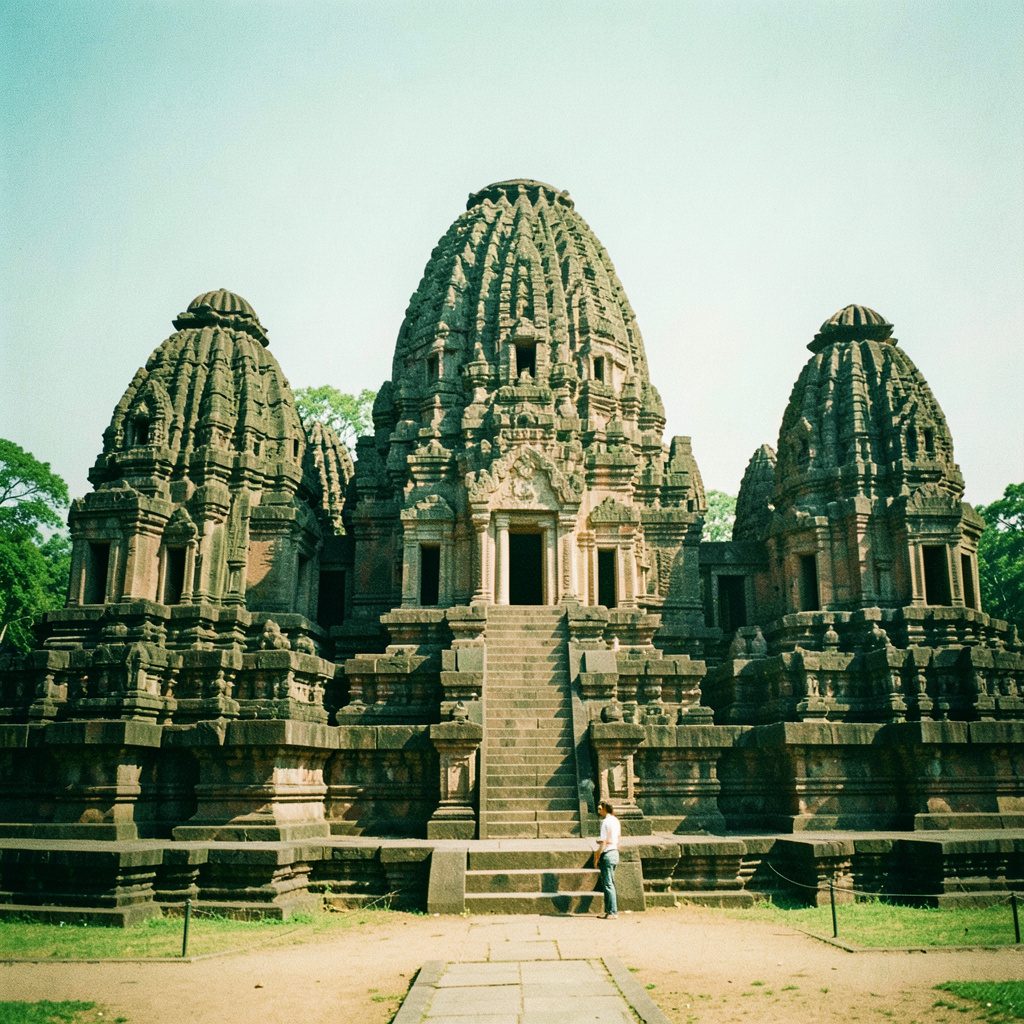
Khajuraho Monuments
A UNESCO World Heritage group of Hindu and Jain temples in Madhya Pradesh, celebrated for their intricate sculptural art. Built by the Chandela dynasty between the 9th and 10th centuries, the temples display a remarkable fusion of architecture and carved detail.
India's temple heritage spans millennia, with architectural styles evolving across dynasties and regions. From the intricate carvings of the Chandela period to the towering shikharas of later kingdoms, each structure tells a story of faith, artistry, and cultural confluence. The subcontinent's sacred architecture reflects a deep reverence for the divine, expressed through stone, sculpture, and spatial design. These monuments were not merely places of worship but centers of learning, community gathering, and artistic patronage. The sculptural programs that adorn temple walls depict everything from celestial beings to everyday life, offering a window into the worldview of ancient builders. Walking through these hallowed halls, one can sense the spiritual energy that has drawn pilgrims for centuries, a timeless connection between earth and heaven.
Among India's most remarkable temple complexes are those recognized as UNESCO World Heritage sites, preserving exceptional examples of human creative genius. These protected monuments showcase the pinnacle of medieval Indian craftsmanship, where every surface becomes a canvas for storytelling. The temples of Khajuraho, for instance, demonstrate an extraordinary fusion of architectural precision and sculptural artistry, with thousands of figures carved from sandstone. The Chandela dynasty's patronage produced a legacy that continues to inspire wonder and scholarly study. These heritage sites serve as living museums, allowing visitors to trace the evolution of religious art and architectural innovation across centuries. Their preservation ensures that future generations can experience the grandeur of India's golden age of temple building.
Beyond the famous UNESCO sites, India's landscape is dotted with countless lesser-known temples that hold their own quiet majesty. Remote villages and forgotten towns harbor sanctuaries where ancient rituals continue uninterrupted by modernity. These hidden gems often feature unique regional styles, from the stepwells of Gujarat to the rock-cut caves of Maharashtra. Local communities maintain these sacred spaces, preserving traditions that have been passed down through generations. The architecture of these smaller temples frequently reveals surprising innovations, adapted to local materials and climatic conditions. Exploring these off-the-beaten-path monuments offers a more intimate encounter with India's spiritual heritage, away from crowds and commercial tourism. Each unassuming shrine has its own story, waiting to be discovered by the curious traveler.
The photographic documentation of India's temples serves both artistic and archival purposes, capturing the interplay of light and shadow across ancient stone surfaces. Through the lens, the intricate details of carvings become accessible in ways that are impossible to appreciate with the naked eye alone. Temple photography requires patience and sensitivity, as the best images often come during the golden hours when the low sun accentuates relief work and creates dramatic contrasts. Photographers must also navigate the delicate balance between capturing the sacred atmosphere and respecting the sanctity of active worship spaces. The resulting images preserve not only the architectural magnificence but also the ephemeral qualities of light, weather, and human presence that make each visit unique. These visual records contribute to the global appreciation of India's architectural heritage.
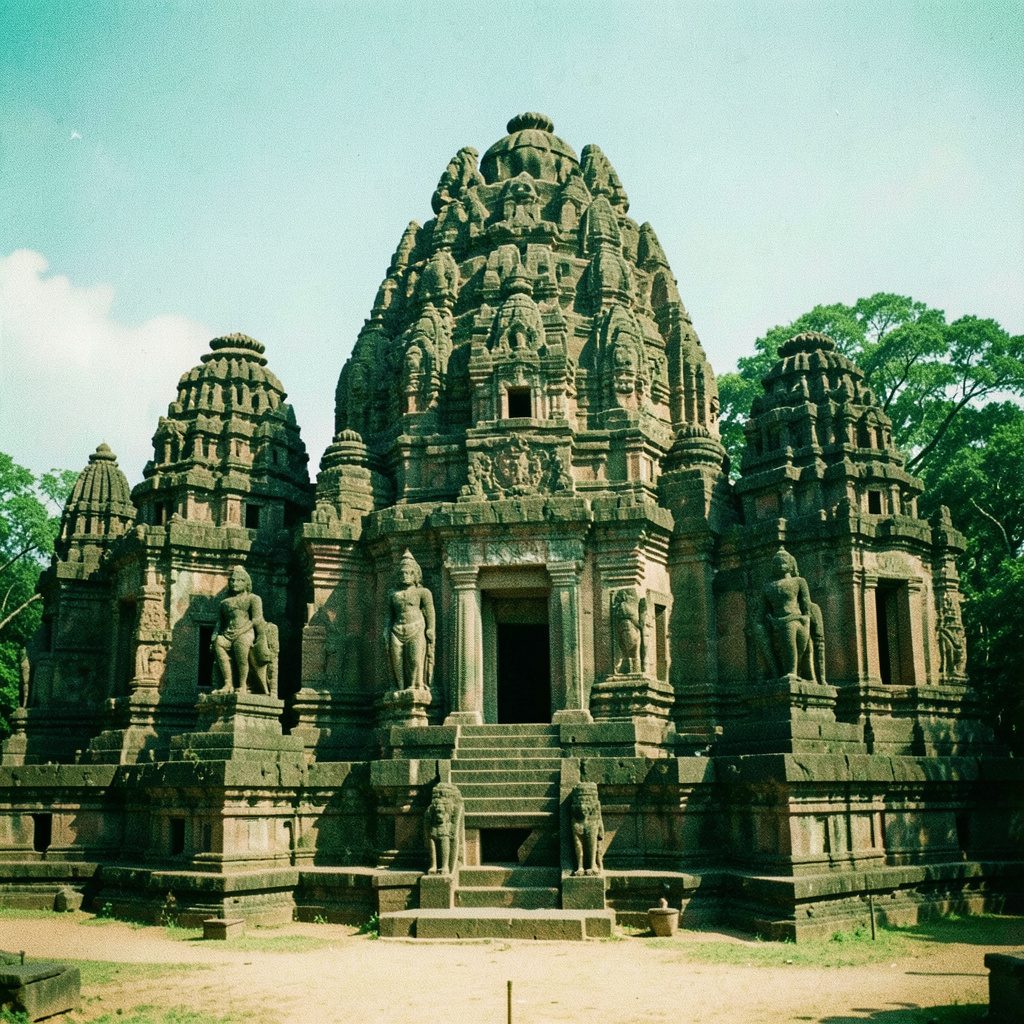
Taj Mahal
An ivory-white marble mausoleum on the Yamuna River in Agra, commissioned in 1632 by Mughal emperor Shah Jahan. One of the most recognized monuments in the world, it draws visitors for its symmetry, gardens, and luminous presence at sunrise and sunset.
Stepwells & Water Palaces
Remarkable feats of engineering and design, blending utility with ornate beauty.
Chand Baori Stepwell
One of the deepest and largest stepwells in India, located in Abhaneri, Rajasthan. Its geometric staircases descend 13 stories in a precise, mesmerizing pattern.
Jal Mahal
A red-sandstone palace appearing to float on Man Sagar Lake in Jaipur, with only its upper floor visible above the waterline.
Cultural & Spiritual Sites
Sacred spaces and historic cities that reflect India's deep cultural traditions.
Sri Harmandir Sahib
The Golden Temple in Amritsar, the holiest gurdwara of Sikhism, surrounded by a sacred pool and known for its gilded façade.
Fatehpur Sikri
A 16th-century Mughal city near Agra, built by Emperor Akbar as his capital. Its red-sandstone palaces and mosques remain remarkably preserved.
Hawa Mahal
The "Palace of Winds" in Jaipur, a five-story pink-sandstone façade with 953 small windows, designed for royal women to observe street life unseen.
City Palace
A palace complex in Jaipur blending Rajasthani and Mughal architecture, still home to the former royal family and open to visitors.
Chaturbhuj Temple
A grand temple in Orchha dedicated to Vishnu, rising on a high stone platform with towering spires visible across the town.