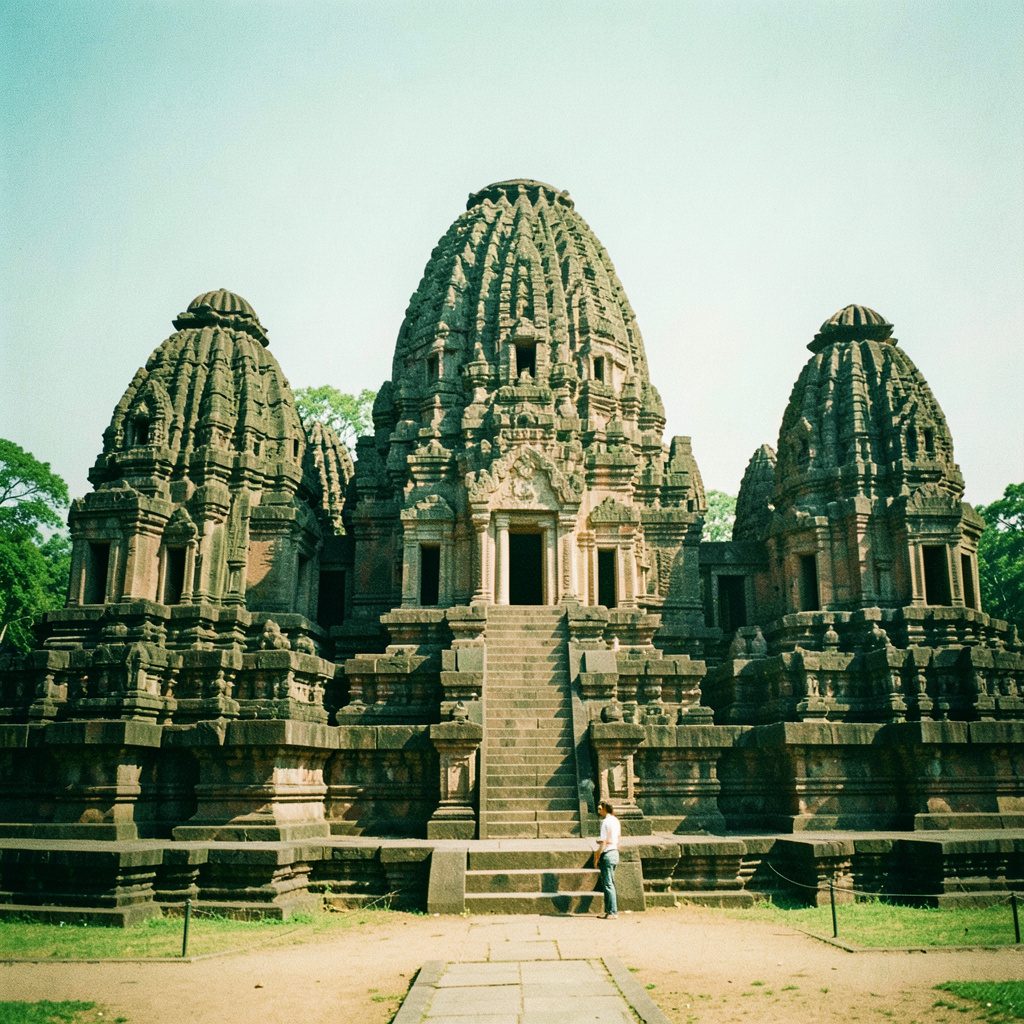

Southeast Asia

Temples, Palaces & Megaliths of Cambodia

Cambodia's landscape spans low-lying plains, the Mekong Delta, mountains, and the Gulf of Thailand coastline. At its heart lies the Angkor archaeological complex — one of the world's most extraordinary concentrations of ancient temple architecture.

Ancient sandstone temple ruins with intricate carved reliefs, warm golden-brown stone against a deep green jungle backdrop under soft afternoon light

Angkor Complex Highlights

Explore detailed photography from two of the most significant temples within the Angkor archaeological site.

Cambodia's temple heritage is defined most powerfully by the Angkor complex, a vast expanse of ancient stone architecture that draws visitors from every corner of the globe. The centerpiece of this archaeological zone is Angkor Wat, a temple whose towering lotus-bud spires and intricate bas-reliefs depict scenes from Hindu mythology and Khmer history. Surrounding the main temple, a sprawling network of causeways, libraries, and reflecting pools once served as the spiritual and administrative heart of the Khmer Empire. Today, the site stands as a testament to the ingenuity of its builders, with sandstone blocks fitted so precisely that many structures have endured centuries of tropical weather and forest encroachment. The sheer scale of the complex leaves visitors in awe of the civilization that created it.

Beyond Angkor Wat itself, the walled city of Angkor Thom offers its own extraordinary sights, most notably the Bayon temple with its serene, smiling stone faces gazing outward in every direction. Dozens of massive visages carved into the temple's towers create an atmosphere of quiet watchfulness, as if the monument itself is alive with ancient presence. The Terrace of the Elephants and the Terrace of the Leper King line the royal square, their carvings depicting processions, warriors, and mythological creatures. These structures served as platforms from which the Khmer king could view his returning army and ceremonial events. The entire complex of Angkor Thom represents a city planned with remarkable sophistication, its layout reflecting both cosmic symbolism and practical governance.

Ta Prohm presents a dramatically different image of Cambodia's temple heritage, where nature and architecture have become inseparably intertwined. Massive silk-cotton and strangler fig trees have grown over and through the temple's walls and roofs, their roots gripping the ancient stones like enormous tentacles. This deliberate preservation of the site in its discovered state offers visitors a glimpse of how European explorers first encountered these monuments in the nineteenth century, emerging from dense jungle to find ruins reclaimed by the forest. The interplay of carved stone and living vegetation creates a hauntingly beautiful scene that has made Ta Prohm one of the most photographed locations in the entire Angkor region. The temple's corridors and courtyards feel like a conversation between human artistry and nature's relentless power.

Cambodia's temple legacy extends well beyond the Angkor region, with significant sites scattered across the country that reward those who venture further afield. The remote temple of Preah Vihear, perched dramatically on a cliff edge along the Thai border, offers breathtaking views and a sense of isolation that deepens its spiritual atmosphere. Beng Mealea, a sprawling temple complex largely overtaken by jungle, provides an adventurous alternative to Ta Prohm with fewer visitors and a more rugged exploration experience. The temples of the Roluos Group, predating Angkor Wat itself, showcase the early evolution of Khmer architectural styles. Each of these sites contributes to a fuller understanding of Cambodia's rich cultural heritage, revealing how temple construction evolved across centuries of Khmer civilization.

Ta Prohm temple ruins entwined with massive strangler fig roots, weathered grey sandstone blocks amid dense tropical foliage

Ta Prohm Temple

Originally known as Rajavihara, this temple was built in the Bayon style largely in the late 12th and early 13th centuries. Located about one kilometer east of Angkor Thom, it is famous for the massive tree roots that have merged with its stonework.

View Gallery →
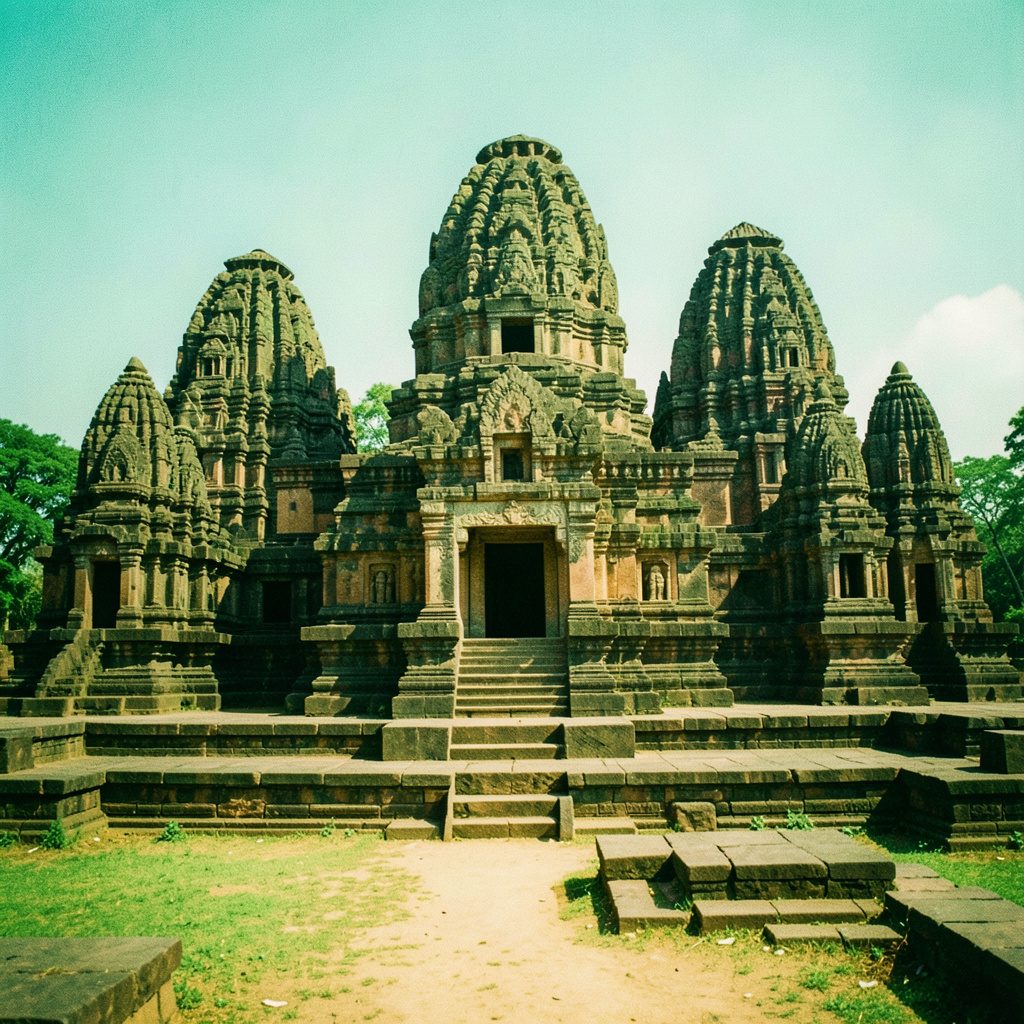

Prasat Bayon temple with its iconic carved stone faces, weathered grey sandstone towers rising against a pale sky

Prasat Bayon Temple

A richly decorated Khmer temple at the heart of Angkor Thom, Prasat Bayon served as the official state temple of the Mahayana Buddhist King Jayavarman VII. Built in the late 12th or early 13th century, it is renowned for its serene stone faces.

View Gallery →

About Cambodia

A land of deep cultural heritage and remarkable archaeological treasures.

Geography

Cambodia's terrain ranges from low-lying central plains and the Mekong Delta to mountain ranges along its borders and a coastline along the Gulf of Thailand.

Capital

Phnom Penh is home to the art deco Central Market, the glittering Royal Palace, and the National Museum's historical and archaeological exhibits.

Angkor Wat

The most iconic temple in the Angkor complex, Angkor Wat is one of the largest religious monuments ever constructed and a symbol of Cambodia's enduring cultural legacy.

Recent Ta Prohm Photography

Latest additions to the Cambodia gallery from the Ta Prohm collection.

Close-up of weathered stone doorway at Ta Prohm, grey sandstone blocks with moss and lichen, framed by dark green foliage

Ta Prohm Temple 019

A detailed study of the temple's intricate stonework and the interplay between architecture and nature.

Sunlight filtering through tree canopy onto ancient Ta Prohm ruins, dappled light on grey stone blocks

Ta Prohm Temple 018

Capturing the atmospheric light that filters through the dense jungle canopy surrounding the temple.

Wide view of Ta Prohm temple corridor with collapsed stone blocks and encroaching tree roots

Ta Prohm Temple 017

A wider perspective on the temple's corridors, showing the scale of the ruins and the surrounding vegetation.