Borobudur Temple
A 9th-century Mahayana Buddhist monument and the world's largest Buddhist temple, rising from the Kedu Plain in nine stacked platforms crowned by a central dome.
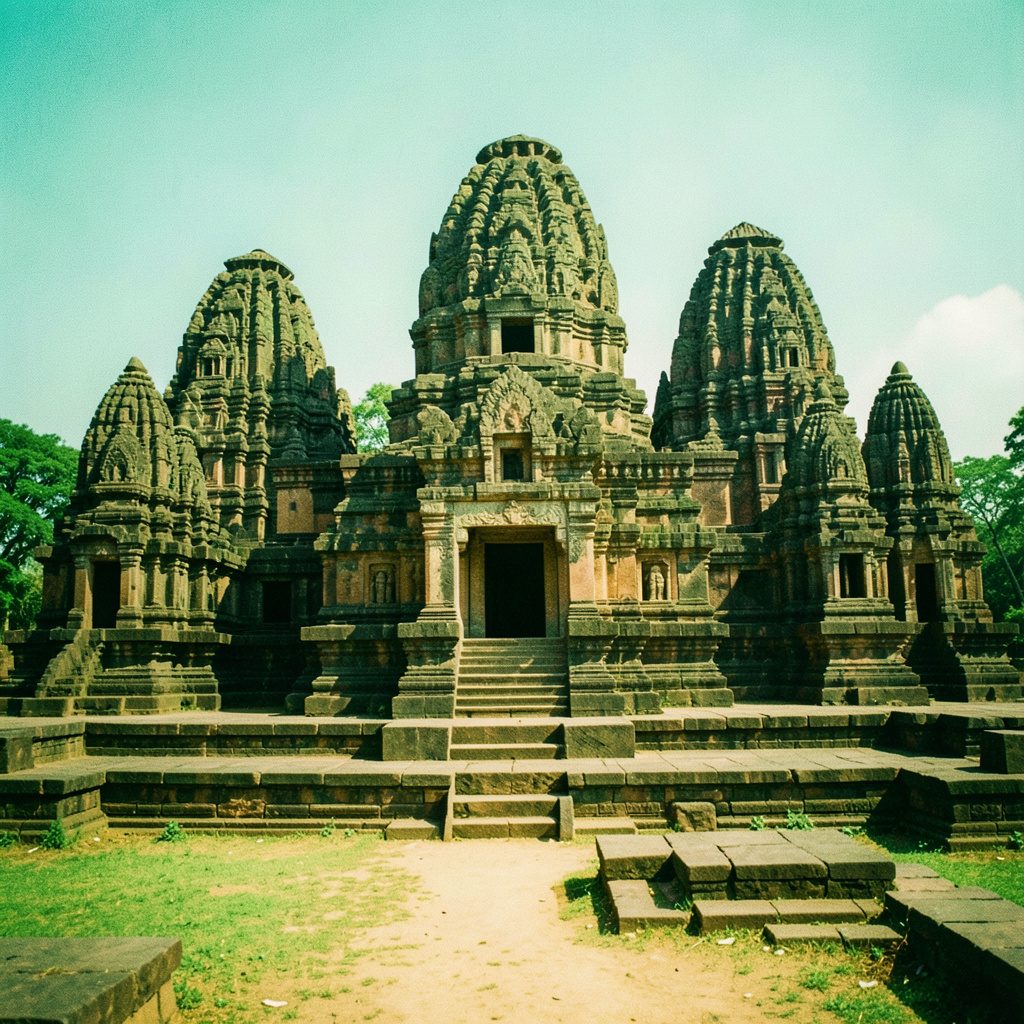
About Borobudur
Borobudur — also known as Barabudur — is a 9th-century Mahayana Buddhist temple located in Magelang, Central Java, Indonesia. It is recognised as the world's largest Buddhist temple and stands among the greatest Buddhist monuments ever built.
The temple is structured as nine stacked platforms: six square terraces form the lower levels, while three circular platforms rise above them. The entire structure is topped by a grand central dome, creating a monumental mandala that pilgrims once circumambulated in ritual ascent.
- Location: Magelang, Central Java, Indonesia
- Era: 9th century (Mahayana Buddhist)
- Structure: Nine platforms — six square, three circular — crowned by a central dome
- Status: World's largest Buddhist temple
Borobudur stands as a monumental achievement of ancient architecture and spiritual devotion, its nine stacked platforms rising in silent symmetry against the Javanese sky. The temple's design follows a distinct cosmological structure, guiding visitors on a symbolic journey from the earthly realm of desire toward the formless realm of enlightenment. The lower square terraces are adorned with intricate relief panels that narrate Buddhist teachings and tales of past lives, while the upper circular terraces feature perforated stupas housing meditating Buddha statues. At the summit, a single central dome crowns the entire structure, representing the pinnacle of spiritual attainment. The monument's sheer scale and the precision of its stonework continue to inspire awe among those who witness it firsthand.
The temple's location in the Kedu Plain is no accident, as this fertile valley has long been considered a sacred landscape in Javanese tradition. Surrounded by volcanic peaks and lush greenery, Borobudur harmonizes with its natural environment in a way that amplifies its spiritual presence. The structure was built using an estimated two million stone blocks, fitted together without the use of any mortar, relying solely on an interlocking system that has withstood centuries of tropical weather, seismic activity, and the passage of time. Today, the monument remains a site of pilgrimage for Buddhists from across the globe, particularly during Vesak celebrations, when monks and devotees gather to walk the temple's ascending pathways in quiet procession.
Photography Collection
Browse the gallery of Borobudur images available in the Temples Zone collection.
Borobudur Temple 007
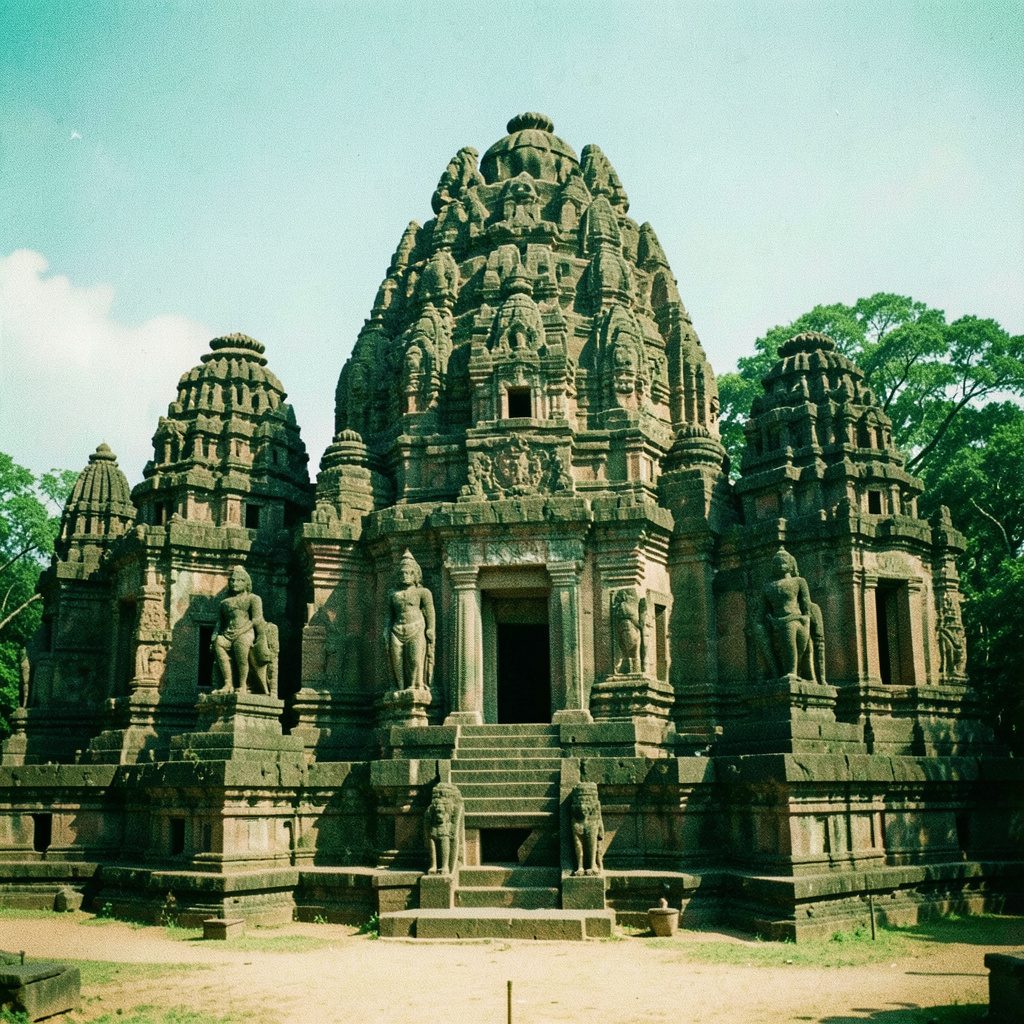
Upper terrace stupas with Buddha statues visible through latticework.
Borobudur Temple 006
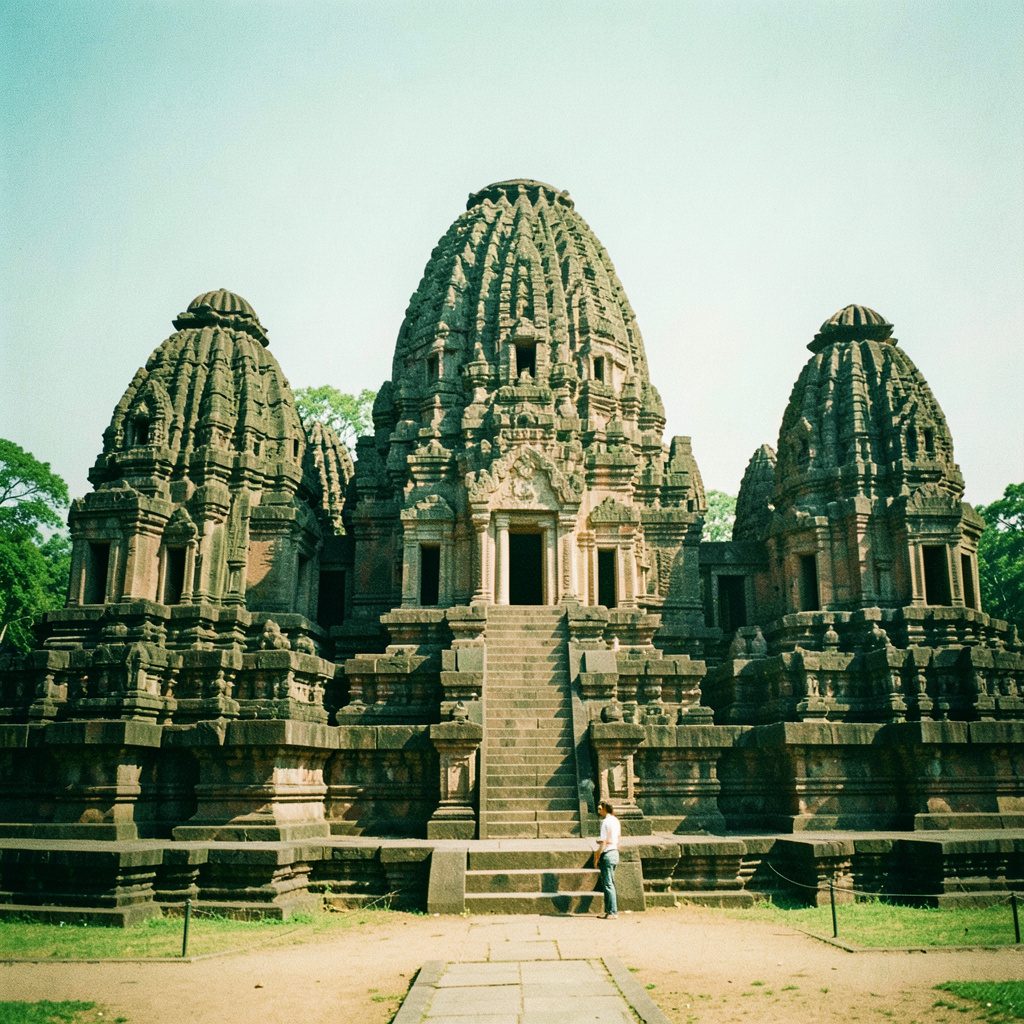
Intricate bas-relief carvings along the temple's lower galleries.
Borobudur Temple 005
The central dome rising above the circular platforms.

Borobudur Temple 004
A seated Buddha in meditation posture within a terrace niche.
Borobudur Temple 003
Layered terraces at sunrise with mist in the surrounding valley.
Borobudur Temple 002
A single stupa against the sky, with distant mountains beyond.

Borobudur Temple 001
The full profile of Borobudur seen from the surrounding Kedu Plain.
Explore More of Indonesia
Borobudur is one of many remarkable sites in Indonesia's rich architectural landscape. The Temples Zone Indonesia collection also features Prambanan Temple, Sewu Temple, Ratu Boko Palace, Lawang Sewu, Gunung Padang Megalith, Tugu Gede Megalith, Vihara Buddhagaya Watugong, and the historic city of Yogyakarta.